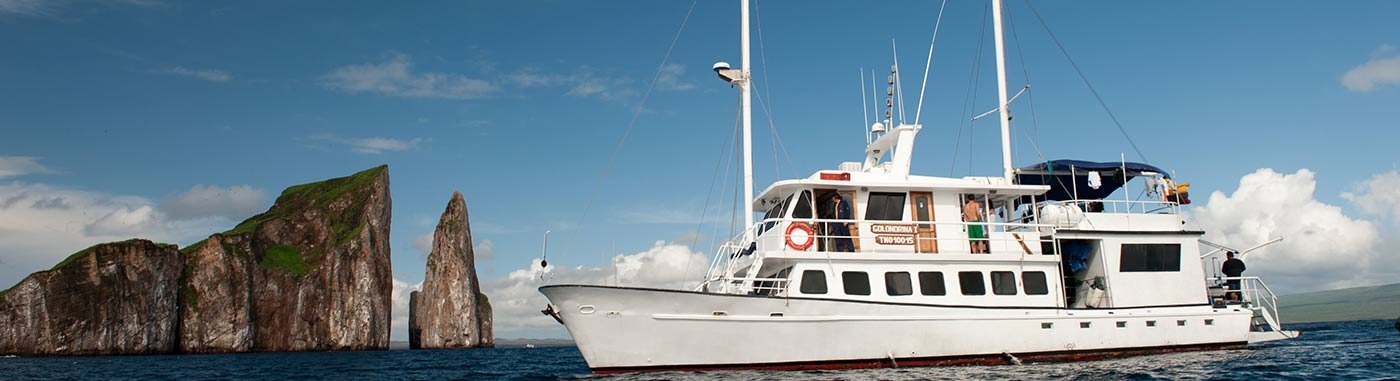
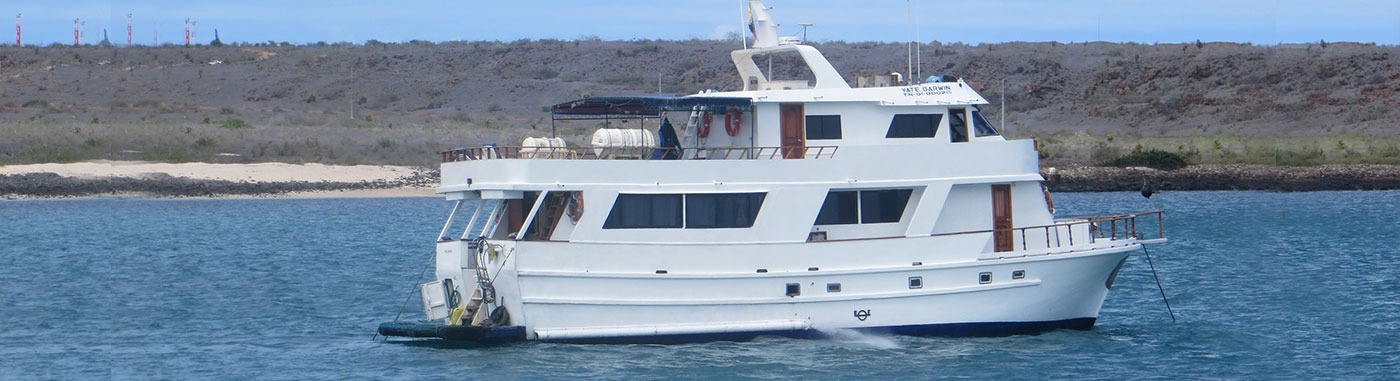
Floreana | Yacht
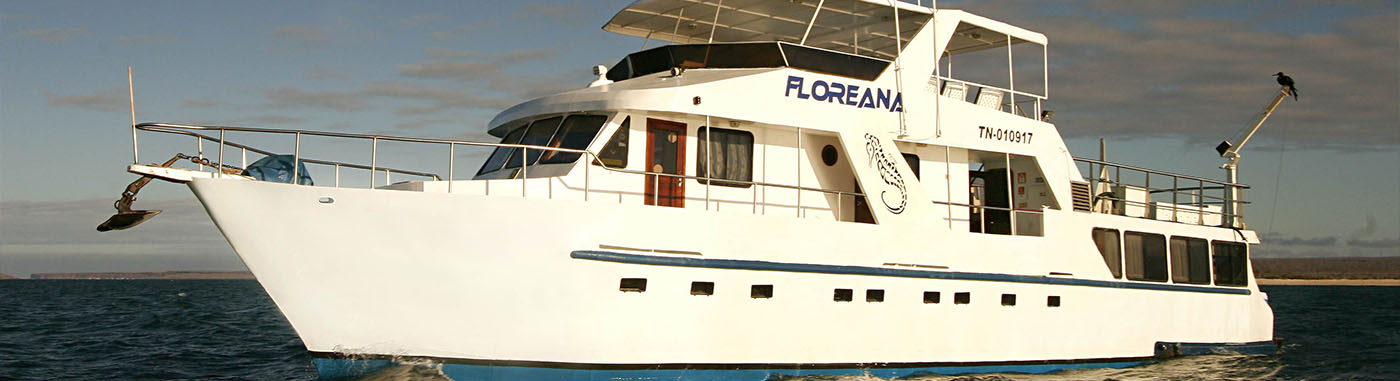
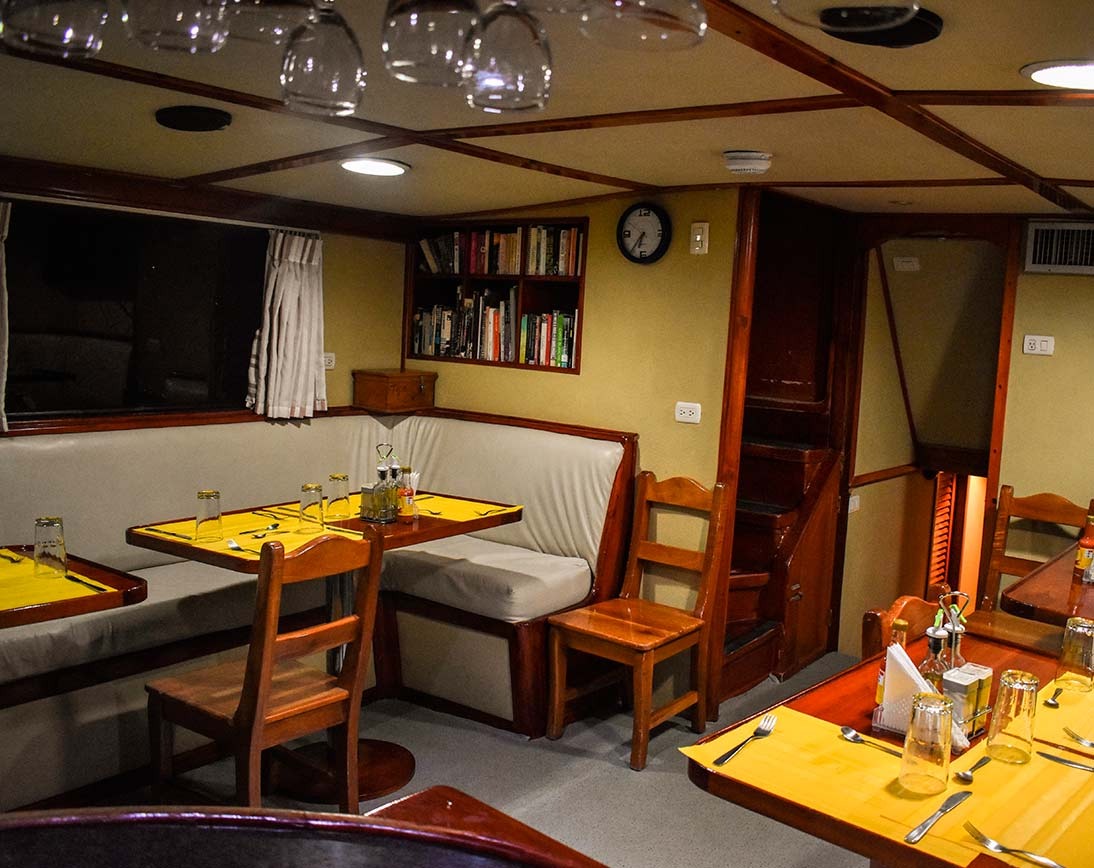
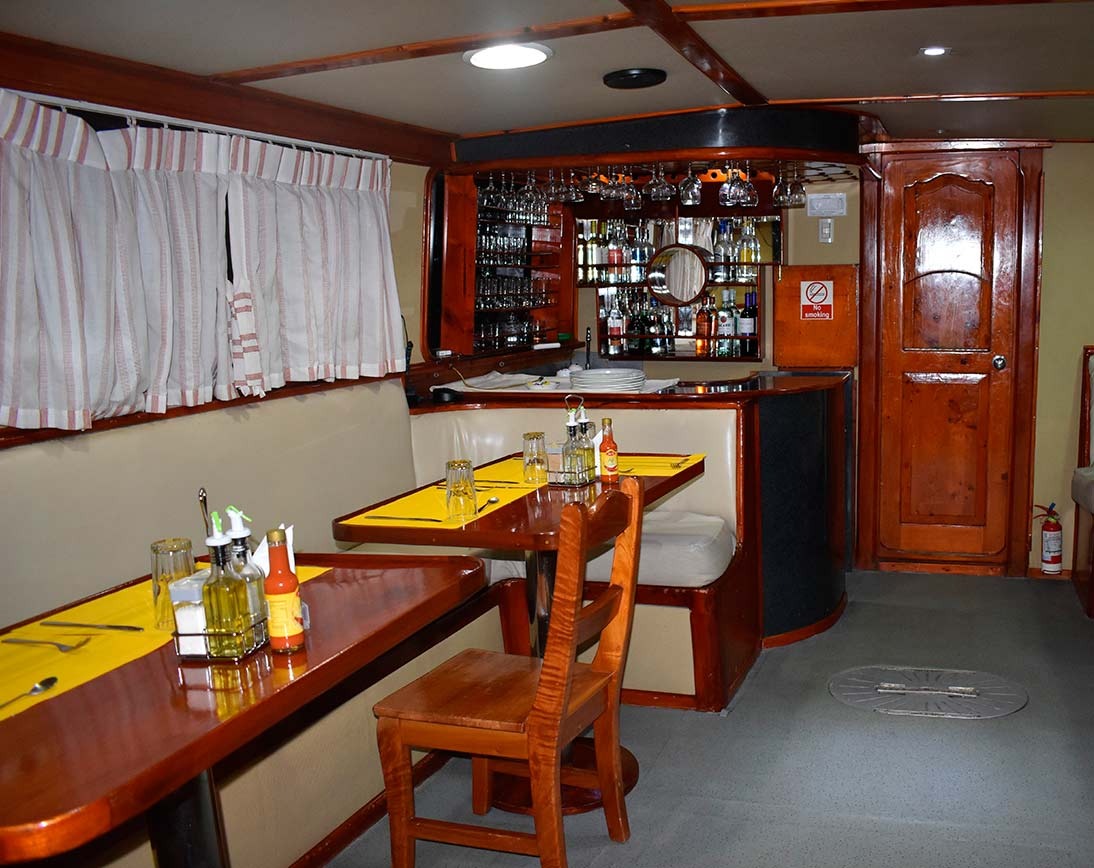
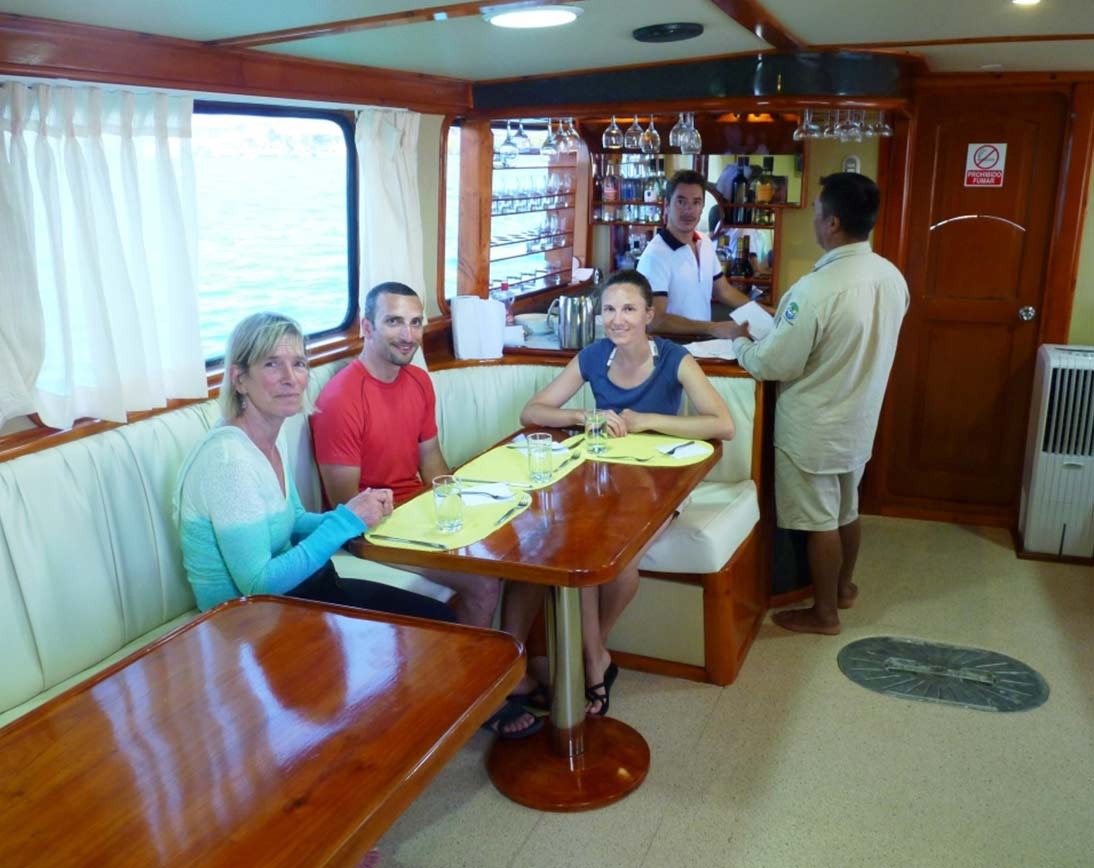
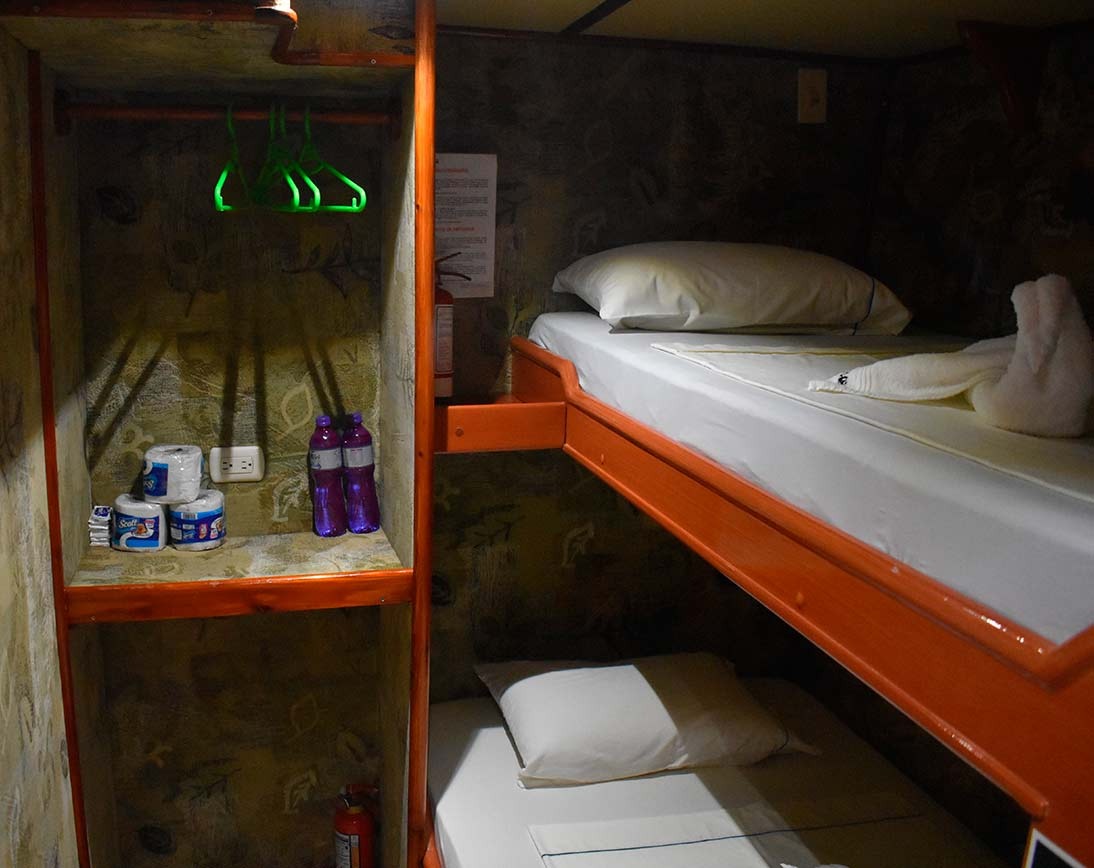
The interior of the boat is finished in dark mahogany, giving it a rich and luxurious look. Each cabin has a double lower and single upper berth, as well as portholes that light up the room and give you a fantastic view of the islands as you pass by.
As with many Galapagos tour operators, a cruise on the Floreana begins on Santa Cruz, following a short flight from the Ecuadorian mainland.
The seven-night itinerary gives passengers an incredibly in-depth and comprehensive experience of the islands, taking in many of the most impressive highlights of the archipelago.
In fact, your adventure begins almost straight away as you visit the white, sandy beaches of Las Bachas to view a sea turtle nesting area and spot some of the local pink flamingos.
During your cruise you’ll also get the chance to see an inquisitive colony of sea lions on North Seymour, marine iguanas on Santa Fe and, if you’re lucky, some of the giant tortoises that give the islands their name.
Throughout your Galapagos tour operators , the cruise will show you everything that the islands have to offer, from their unique habitat to the animals that call them home.
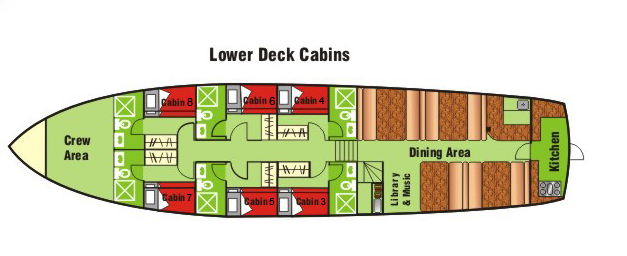
Bilingual naturalists will help to guide you as you journey through the islands, or you can read up on the local wildlife in the ship’s very own library.
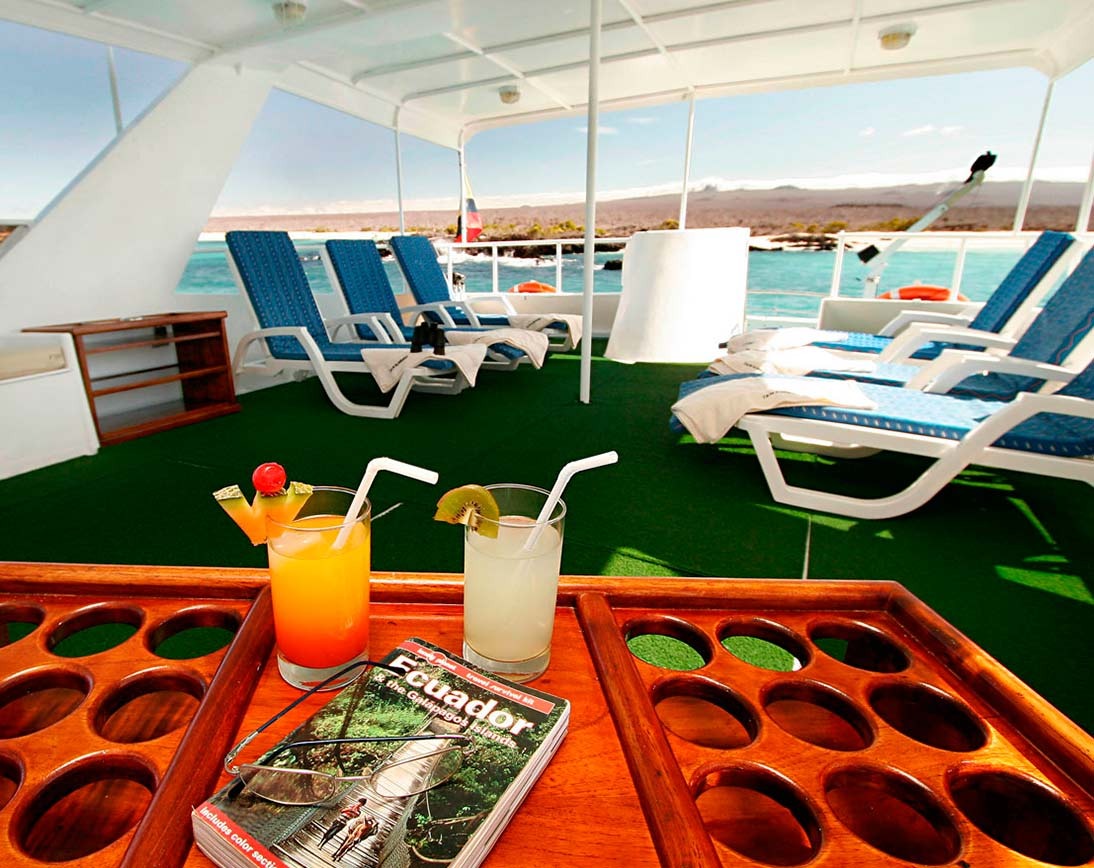
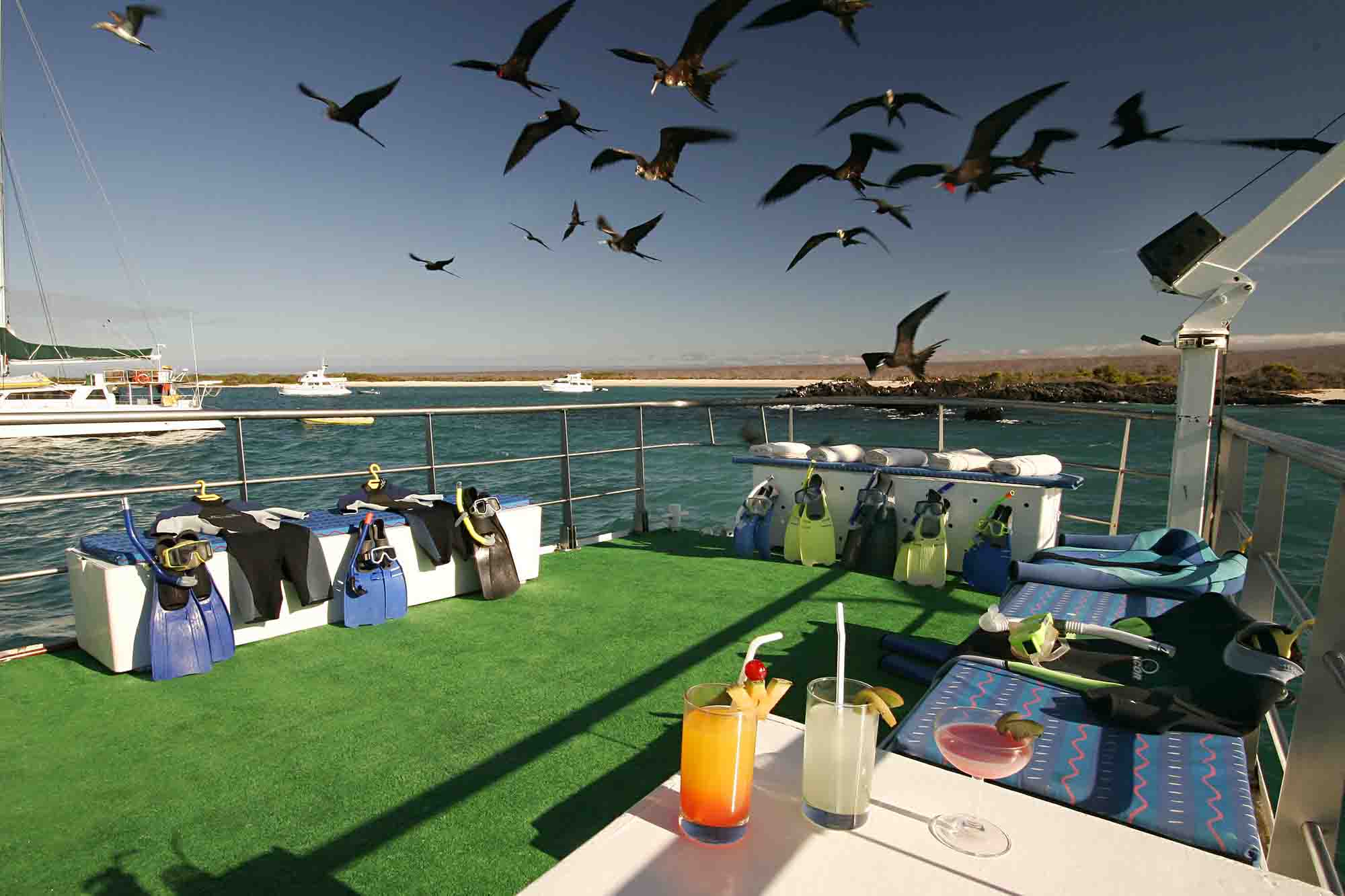
Galapagos tour operators know visitors love nothing better than to relax following a day of exploration and adventure by watching the sunset from one of the ship’s outside decks. After this you’ll be digging in to a delicious buffet in the elegant dining area and discussing your discoveries with your fellow passengers.
As with many Galapagos tour operators, a cruise on the Floreana begins on Santa Cruz, following a short flight from the Ecuadorian mainland.
The seven-night itinerary gives passengers an incredibly in-depth and comprehensive experience of the islands, taking in many of the most impressive highlights of the archipelago.
In fact, your adventure begins almost straight away as you visit the white, sandy beaches of Las Bachas to view a sea turtle nesting area and spot some of the local pink flamingos.
During your cruise you’ll also get the chance to see an inquisitive colony of sea lions on North Seymour, marine iguanas on Santa Fe and, if you’re lucky, some of the giant tortoises that give the islands their name.
Throughout your Galapagos tour operators , the cruise will show you everything that the islands have to offer, from their unique habitat to the animals that call them home.
Bilingual naturalists will help to guide you as you journey through the islands, or you can read up on the local wildlife in the ship’s very own library.
Galapagos tour operators know visitors love nothing better than to relax following a day of exploration and adventure by watching the sunset from one of the ship’s outside decks. After this you’ll be digging in to a delicious buffet in the elegant dining area and discussing your discoveries with your fellow passengers.

From $2,750.00
8 Days
Itinerary A
- Day 1: Baltra Airport & Santa Cruzisland: Highlands
- Day 2: Genovesa Island: Darwin Bay & El Barranco
- Day 3: Santiago Island: Sullivan Bay & Bartolome Island
- Day 4: Chinese Hat Islet & Santiago Island: Whale Bay
Show more ....
8 Days
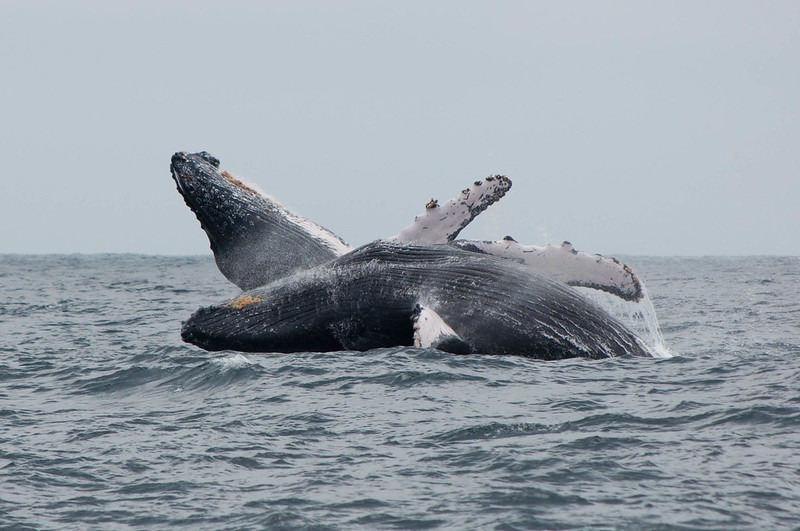
8 Day Galapagos Budget Friendly Boat Trip Floreana Yacht
- Day 1: Baltra Airport & Santa Cruz Island: Bachas Beach
- Day 2: North Seymour Island & Santa Cruz Island: Dragon Hill
- Day 3: Santa Cruz Island: Charles Darwin Research Station & El Chato
- Day 4: Floreana Island: Cormorant Point & Post Office Bay
Show more ....
- Rebuilt : 1998 – Length : 72,84 ft.
- Type : Motor Yacht – Beam : 15,69 ft.
- Motor : Scania marine engine, 550 HP – Generators : 2 Perkins 42 KVA
- Speed : 10 knots – Electricity : 12 VDC / 110 VAC / 220 VAC
- Capacity : 16 passengers – Crew : 6 + 1 naturalist guide (Spanish – English)
- Accommodation: 8 double cabins with bunk beds, – Safety : SOLAS Requirements.
- Private Bathroom, hot water and CAPAYO &; SUBSECRETARIA DE PUERTOS
- Central air conditioner
- Medical Equipment: Full oxygen equipments, AMBU (Manual ventilation), Automatic heart rate meter and automatic no invasive blood pressure meter.
- Facilities: TV, DVD, radio, hot and cold fresh water, bar service, 2 ample sundecks, wetsuit (for rent).

All rates are referential, please contact us to find the best
available offers with this incredible Cruise.
| Cabin | 8 Days | 16 Days |
|---|---|---|
| Double cabin | $2,750.00 | $5,500.00 |
| Single cabin | $4,800.00 | $9,600.00 |
| Charter | $41,251.00 | $82,500.00 |
I would highly recommend a Floreana Cruise
Francisco provided me with multiple cruise options to choose from and even offered guidance based on my needs and desires. Floreana Cruise’s team was very professional from the word go.
Hashika Abbagyle
I enjoyed the food
The meals onboard were great with a lot of varieties, the boat’s interior finished in dark mahogany was astonishing, and the entire cruise was unforgettable. The Seven-night itinerary offered gave me a comprehensive and in-depth experience of the islands. The ship is little old, but the crew is exceptional
David Tuli
Why travel with us?
 Over 11 years of experience
 Galapagos Specialists
 Set and Tailor-made packages
 The best last-minute cruise deals
 24/7 Customer service during your trip
 Multi-Destination packages